

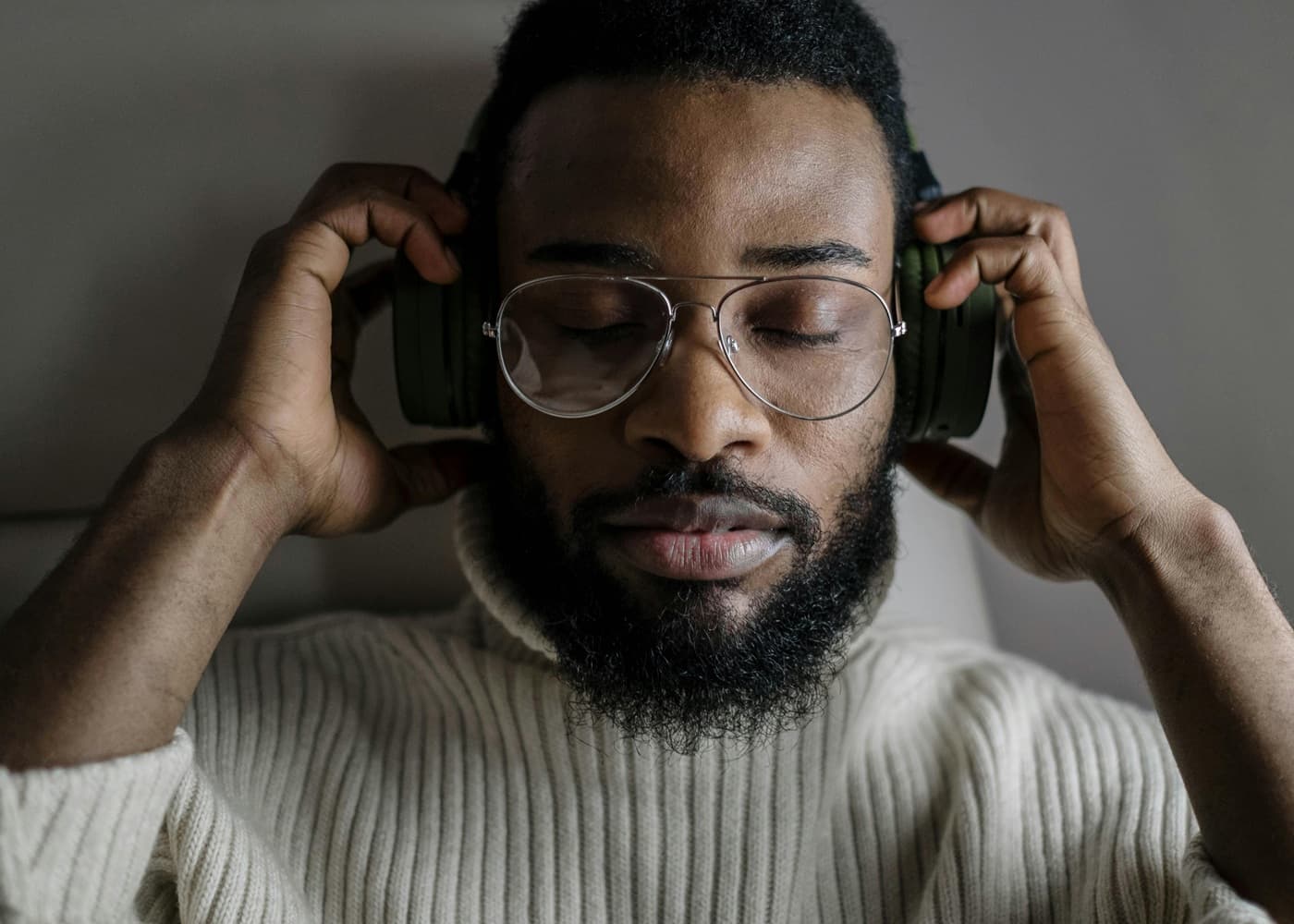
Sound healing has moved from the margins into mainstream
wellness conversations. You’ll now find it in yoga studios, therapy offices,
hospitals, and research settings across the U.S., U.K., and Europe. Yet despite
its growing popularity, there’s still confusion about what sound healing
actually is, how it works, and what it can realistically offer.
Here’s the thing. Sound healing is
not magic, and it’s not about “special frequencies” fixing everything. At its
core, it’s a structured way of using sound to influence attention, perception,
the nervous system, and the body’s internal rhythms. When applied skillfully,
it can support relaxation, emotional regulation, and a deeper sense of
presence.
This article breaks down sound healing in practical terms.
No mysticism required. Just clear explanations, real mechanisms, and guidance
you can actually use.
What Is Sound Healing, Really?
Sound healing is the intentional use of sound to support
physical, emotional, and psychological well-being. That’s the simple
definition. What matters more is how that intention is carried out.
Sound healing may involve instruments like singing bowls,
gongs, tuning forks, drums, or even the human voice. It may also involve
listening practices, guided sessions, or structured sound environments. What
connects all of these approaches is not the instrument, but how sound is experienced
by the listener.
Sound does not “heal” in the way medicine treats a disease.
Instead, sound influences how the nervous system processes information. It
affects attention, arousal, muscle tone, breathing patterns, and emotional
states. These shifts can support the body’s own capacity to regulate and
recover.
In other words, sound healing works indirectly. And that’s
exactly why it can be effective.
How Sound Interacts With the Nervous System
To understand sound healing, you need to understand how
sound is processed in the body.
Sound is vibration. These vibrations reach the ear, where
they are converted into electrical signals and sent to the brain. From there,
sound influences areas responsible for alertness, emotion, movement, and stress
regulation.
But sound is not only heard. Low-frequency vibrations can be
felt through the skin, bones, and connective tissue. Rhythmic sound patterns
can influence breathing and heart rate. Sustained tones can alter attention and
perception of time.
When people feel calmer during a sound healing session, it’s
not because a frequency “fixed” them. It’s because their nervous system shifted
from a state of vigilance into a state of rest and receptivity.
That shift alone can have measurable effects.
Why Sound Healing Feels So Different From Music
People often ask whether sound healing is just music. It’s a
fair question.
Music usually follows predictable structures. Melody,
harmony, rhythm, and progression are designed to entertain, stimulate, or evoke
emotion. Sound healing often does the opposite.
In many sound healing practices, the sound is slow,
spacious, and non-directive. There may be long pauses, sustained tones, or
evolving textures. This gives the listener’s nervous system room to settle
instead of staying engaged or stimulated.
Another key difference is how sound is listened to. Sound
healing invites a mode of listening that is embodied and receptive, rather than
analytical or goal-oriented. You’re not following a song. You’re noticing
sensation, breath, and internal response.
That shift in listening mode is one of the most important
and overlooked aspects of sound healing.
Common Instruments Used in Sound Healing
Sound healing does not depend on one specific tool.
Different instruments offer different qualities and effects.
Singing bowls are widely used because they produce rich
harmonic tones that sustain over time. These tones encourage slow, attentive
listening and can support deep relaxation.
Gongs create complex, evolving sound fields that can feel
immersive. They are often used in group sessions where the goal is to explore
changing sensations and emotional states.
Tuning forks provide precise, simple tones and are commonly
used in one-on-one settings. Their clarity makes them useful for focused
listening and subtle sensory awareness.
Drums and rhythmic instruments are sometimes used to support
grounding and rhythmic regulation. Steady rhythm can help synchronize breathing
and movement.
The effectiveness of any instrument depends far more on how
it is used than what it is made of.
What Sound Healing Can Support, and What It Cannot
Sound healing is often promoted with exaggerated claims.
Let’s be clear about what it can and cannot do.
Sound healing can support relaxation, stress reduction,
emotional awareness, and improved focus. It can help people feel more connected
to their body and less caught in mental noise. For many, it provides a
structured pause in an overstimulated world.
Sound healing is not a cure for medical conditions. It does
not replace therapy, medication, or medical care. Any practitioner claiming
otherwise should raise concern.
Where sound healing shines is in supporting self-regulation.
When people feel safer, calmer, and more present, they are often better able to
engage with other forms of care.
That supportive role is valuable and sufficient on its own.
Sound Healing Sessions: What to Expect
A sound healing session usually begins with a brief
orientation. You may be invited to lie down or sit comfortably. The environment
is typically quiet, dimly lit, and free from distractions.
The practitioner introduces sound gradually. There is no
performance, no expectation to feel anything specific. You are simply invited
to listen and notice.
Some people experience deep relaxation. Others notice
emotional release, imagery, or shifts in body sensation. Some sessions feel
subtle, others intense. All of these responses are normal.
The key point is this. There is no “right” experience. Sound
healing works by meeting you where you are, not by forcing a result.
Why Intention and Skill Matter More Than Frequency
One of the biggest misconceptions about sound healing is the
obsession with specific frequencies. While pitch and rhythm matter, they are
only part of the picture.
What matters more is intention, pacing, listening quality,
and responsiveness. A skilled practitioner adjusts sound based on how people
are responding, not on a rigid formula.
Sound healing is not about playing the “correct” note. It’s
about creating conditions where the listener’s nervous system can settle,
explore, and integrate.
This is why two sessions using the same instrument can feel
completely different.
Practicing Sound Healing at Home
You don’t need a large collection of instruments to explore
sound healing. Even a single bowl, tuning fork, or recorded sound can be
enough.
Start with short sessions. Five to ten minutes is plenty.
Sit or lie down comfortably. Choose one sound and let it unfold without trying
to analyze it.
Notice your breath. Notice tension. Notice when your
attention wanders and gently bring it back to listening.
The goal is not to achieve a special state. The goal is to
practice presence.
That alone can be surprisingly powerful.
The Growing Role of Sound Healing in Modern Wellness
Across the U.S., U.K., and Europe, sound healing is
increasingly integrated into wellness programs, mental health support, and
stress management practices. This reflects a broader shift toward approaches
that address nervous system regulation, not just symptoms.
As research continues to explore how sound affects
perception and physiology, sound healing is becoming less about belief and more
about experience and observation.
When approached responsibly, sound healing offers a simple,
accessible way to reconnect with listening, awareness, and rest.
And in a noisy world, that may be exactly what many people
need.
If you wish to contribute to our blog, please email us on wispaztechnologies@gmail.com.


Leave a Comment