

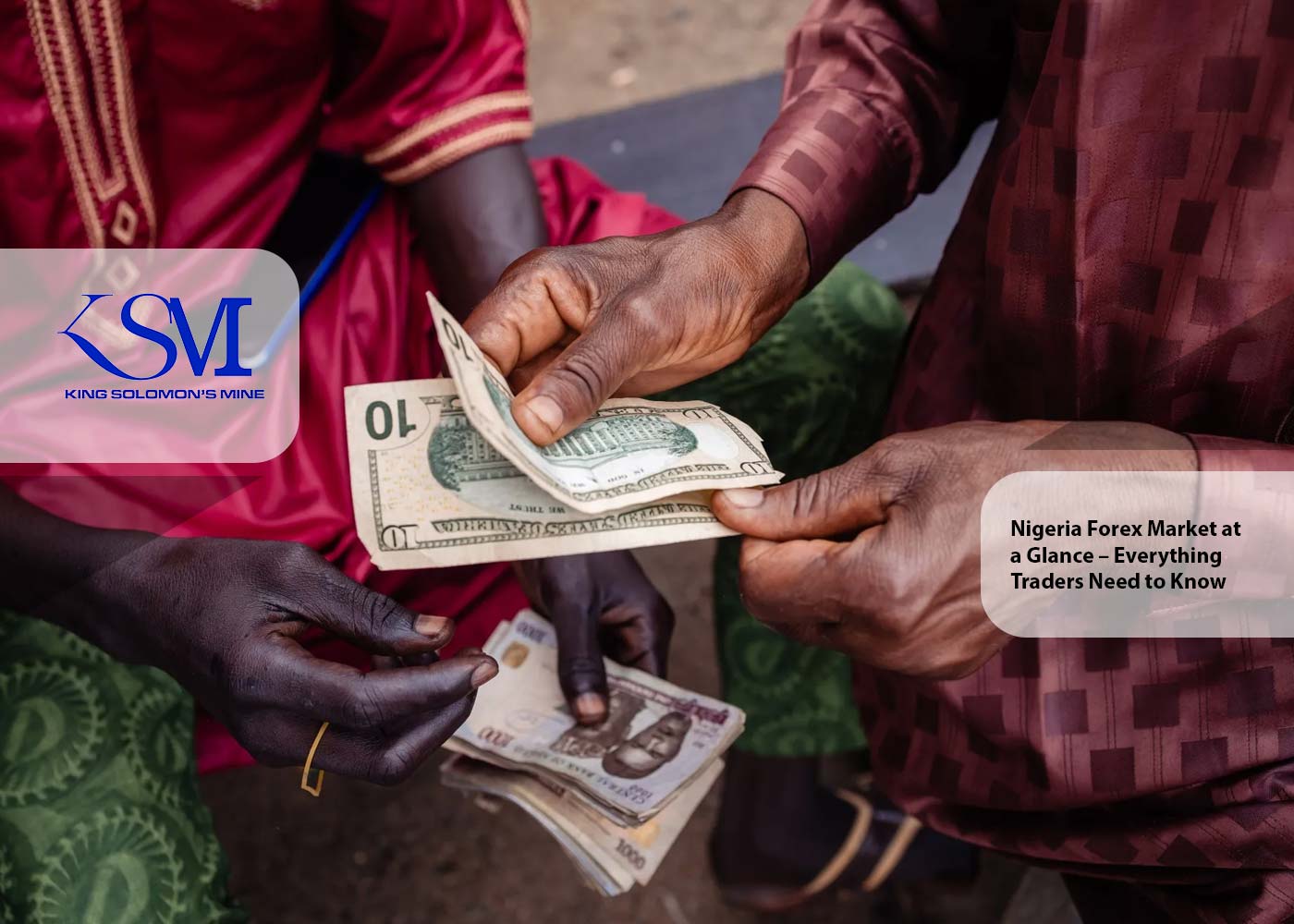
The forex market in Nigeria is dynamic and closely watched
by financial institutions, brokers, and investors throughout Africa. Of course,
this has to be the country that is both an oil producer and one of Africa’s
biggest economies.
It is important for forex traders, investors, and businesses
to understand how the market operates and how they can benefit from the
opportunity. Follow this article to the end to learn more.
Nigeria Forex Market at a Glance
Forex trading in Nigeria is gaining more popularity by the
day. There are many investors who are interested in joining, which has resulted
to high demand for legit broker services. If you pop over to this site, you
will see an example of a legit broker you can use engage in Nigeria forex.
Trading is commonly on Nigerian naira (NGN) against major
currencies such as USD, EUR, and GBP. There is a high demand for foreign
currencies to pay for imports and education abroad.
Right now, Nigerian forex market is a bit more flexible, and
entry is easier. However, the country’s forex trading regulatory authorities
have strict regulations that traders need to follow.
Does the Central Bank of Nigeria Play a Role?
This is the main regulator of the Nigerian forex market. It
primarily stabilizes the naira, manages foreign reserves, and most importantly,
ensures orderly market operations. So, the next time you do forex trading in
Nigeria banks, just know that the CBN has played a key role in making it
possible.
The CBN is directly responsible for monitoring banks and
brokers, improving transparency, ensuring liquidity, and setting Nigeria forex
market policies.
Nigeria Forex Market Structure
There are several exchange rate windows determined by
different factors. The most common ones include official and interbank markets,
bureau de change, and the investors and importers window. Each of them works
differently, although there are efforts to harmonize them.
As a trader in Nigeria forex, you need to understand how
each of these works and where you fit in. The good news is that you can do any
of these by forex trading in Nigeria banks.
Factors that Affect Nigeria Forex
Nigeria is an oil producer, and global oil prices affect the
forex trading the most. However, other factors, such as inflation, foreign
investments, diaspora remittances, and government policies play a big role.
If you are an active trader, you need to keep an eye on
these factors, stay updated on the forex trading rates.
Risks to Watch Out For
The Nigerian forex market offers many opportunities, but
there are challenges to watch out for, especially when first getting started.
One of them is volatility, which can bring losses and profits at the same time.
It is best to take advantage of favorable conditions, available forex trading
tools, and other resources to gain from trading.
Other factors to watch out for include sudden policy changes
and liquidity constraints. Forex trading in Nigeria keeps changing, and the
best strategy is to be on top of all of these factors to succeed.
Final Words
Many Nigerian forex investors aim to earn profit from the
market, but this requires a clear understanding of how it works, opportunities,
and even challenges. Hopefully, this article is an eye-opener for prospective
forex trading investors. Now that you have read it to the end, you are in a
better position to try the Nigerian forex market.
If you wish to contribute to our blog, please email us on wispaztechnologies@gmail.com.



Leave a Comment