

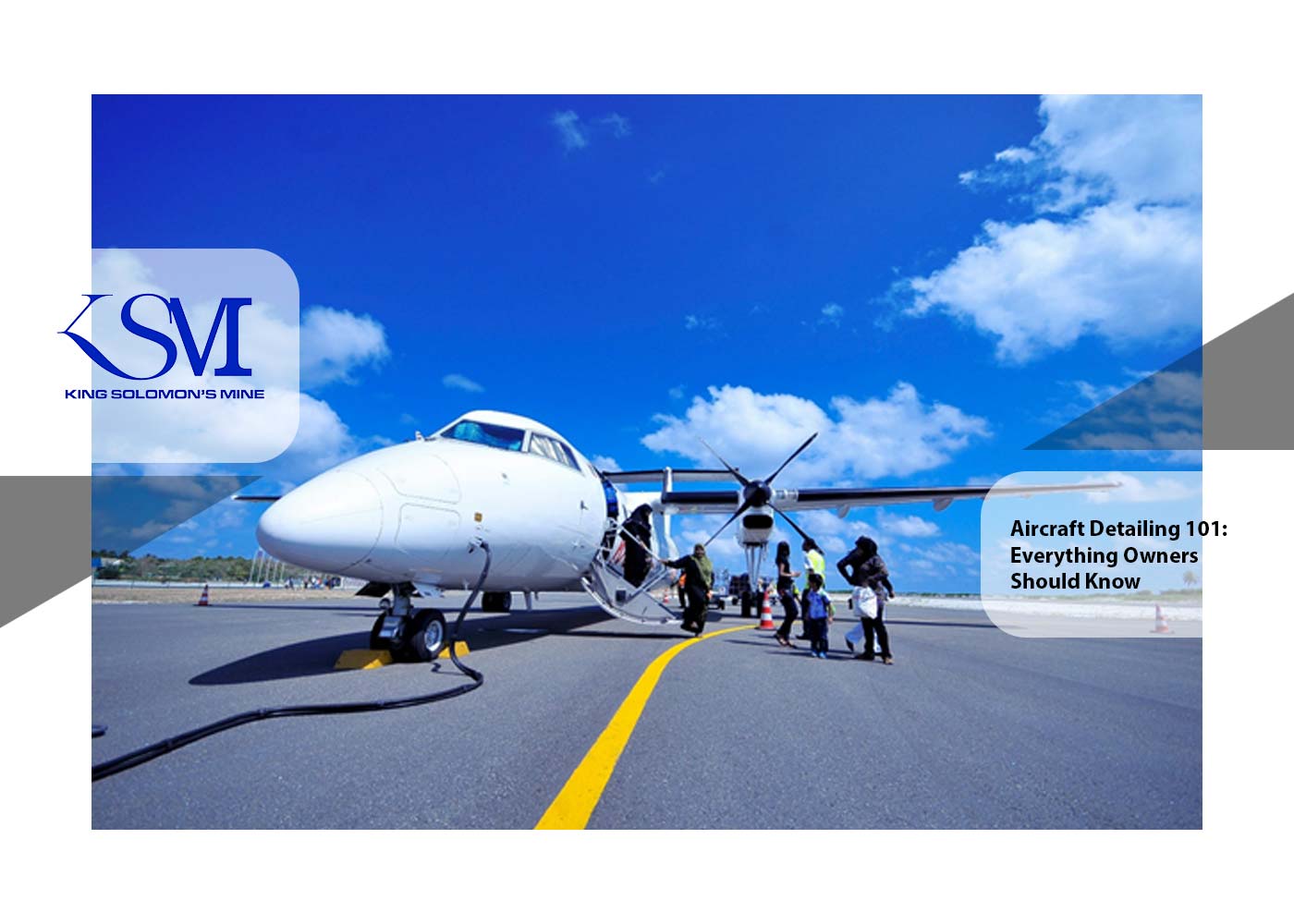
Aircraft ownership comes with a unique set of
responsibilities that go far beyond routine flights and scheduled maintenance. One
often overlooked but essential aspect of aircraft care is detailing. Aircraft
detailing is not simply about appearance—it directly contributes to safety,
performance, inspection accuracy, and long-term asset value. For both new and
experienced owners, understanding what aircraft detailing involves and why it
matters is key to protecting a significant investment and ensuring reliable
operation.
What Aircraft Detailing Really Involves
Aircraft detailing is a comprehensive process designed
specifically for aviation materials and systems. Unlike automotive or marine
detailing, aircraft detailing must account for sensitive avionics, composite
materials, specialized paints, and regulatory requirements. The process
typically includes both exterior and interior services, each requiring
specialized tools, products, and expertise.
Exterior detailing focuses on washing, degreasing,
polishing, and protecting surfaces such as the fuselage, wings, control
surfaces, landing gear, and windows. Interior detailing addresses the cockpit,
cabin upholstery, carpets, leather, plastic surfaces, and ventilation
components. When performed correctly, detailing improves cleanliness without
compromising material integrity or system performance.
Why Detailing Is More Than Cosmetic
Many owners initially view detailing as an aesthetic choice,
but its benefits extend well beyond visual appeal. Aircraft are constantly
exposed to harsh environmental conditions—including ultraviolet radiation,
moisture, exhaust residue, and airborne contaminants. Over time, this exposure
can lead to oxidation, corrosion, and surface degradation if not properly
managed.
Regular detailing removes corrosive contaminants and applies
protective treatments that slow wear and deterioration. Polished surfaces also
improve aerodynamics by reducing surface drag caused by dirt buildup or
oxidation. These functional benefits make detailing a preventative maintenance
practice rather than a cosmetic luxury.
How Detailing Supports Safety and Inspections
Aircraft safety depends on early detection of potential
issues. Clean surfaces allow maintenance technicians and inspectors to more
easily identify cracks, corrosion, leaks, or abnormal wear. Dirt and residue
can hide small but critical warning signs, delaying corrective action.
Detailing also supports operational safety by maintaining
clear windscreens, windows, lighting, and markings. Cockpit cleanliness reduces
distractions, while properly cleaned control surfaces and landing gear ensure
unrestricted movement. Owners who prioritize detailing help create conditions
that support accurate inspections and safer flight operations.
Interior Care and Long-Term Comfort
Interior detailing plays a significant role in preserving
comfort and cabin quality. Upholstery, leather seating, carpets, and side
panels experience regular wear, especially in frequently operated aircraft.
Professional interior detailing cleans, conditions, and protects these
materials, preventing cracking, fading, and premature replacement.
Cabin air quality also benefits from proper detailing. Dust,
debris, and contaminants in vents and surfaces can accumulate over time. A
clean interior creates a healthier environment for pilots and passengers and
reinforces a sense of professionalism and pride in ownership.
Choosing the Right Detailing Professionals
Not all detailing services are suitable for aircraft. Owners
should seek professionals with aviation-specific training, experience, and
approved products. Improper cleaning techniques or household-grade chemicals
can damage finishes, weaken materials, or interfere with sensitive components.
Many owners rely on specialized providers such as alberth aviation services because
aviation-focused detailers understand regulatory considerations and how
detailing fits into broader maintenance practices. Choosing qualified
professionals helps ensure consistent quality, safety compliance, and long-term
asset protection.
Establishing a Consistent Detailing Schedule
Detailing is most effective when performed consistently
rather than sporadically. The ideal schedule depends on factors such as
aircraft usage, hangar storage, climate, and operating environment. Aircraft
exposed to coastal conditions, extreme sun, or industrial pollution may require
more frequent exterior care.
A structured detailing schedule helps prevent buildup that
leads to corrosion and surface damage. It also reduces long-term costs by
preserving paint, finishes, and interior materials. Over time, routine
detailing becomes an integral part of responsible ownership rather than an
occasional service.
Protecting Value and Marketability
Aircraft are high-value assets, and their condition has a
direct impact on resale and lease potential. Buyers often associate visual
condition with maintenance discipline and operational reliability. A clean,
well-detailed aircraft photographs better, inspects more smoothly, and inspires
greater buyer confidence.
Regular detailing demonstrates long-term care and reduces
cosmetic objections during pre-purchase inspections. For owners considering
future sale or trade, detailing supports higher perceived value and broader
market appeal.
Conclusion
Aircraft detailing is an essential component of effective
aircraft ownership, supporting safety, performance, and long-term value. By
understanding its scope and benefits, owners can approach detailing as a
strategic investment rather than a cosmetic expense. When performed regularly
and by qualified professionals, aircraft detailing protects materials, improves
inspections, enhances comfort, and reflects pride in ownership. For those
committed to maintaining high standards, detailing is a foundational element of
responsible aviation care.
If you wish to contribute to our blog, please email us on wispaztechnologies@gmail.com.


Leave a Comment